Believe the Taylor, if you don’t believe the Hodja! What happened to Strapinsky the Taylor and Nasreddin Hodja: Borga Kantürk, June 2010


1.
We thought that it was the people who made the clothes. But we learned thanks to two people that it is actually the clothes that make the people.

“Kleider machen Leute” 1. This is an expression in German that can be translated into English as “It is the clothes that make the person.” It means that clothes show the people who wear them.

This ironic saying, which is also the title of a story by Swiss poet, author Gottfried Keller, also forms the basis of the exhibition realized by Doğan Doğan at Dirimart Art Gallery.

While the title of the exhibition is “Personas” 2, the emphasis made on identity here refers to the story mentioned earlier. The exhibition features twelve works on canvas by the artist. The focus of this series, which is originally comprised of fifteen pieces, focuses on people and their apparel.

A total of fifteen people including children and young people and the clothes they used to wear in the past... Every group of clothes brought together here offers a prediction regarding the persona of each specific individual while presenting us with the most crucial hints regarding identity as a shelter-wardrobe. In this respect, rather than taken as a whole, this is an exhibition, which we tour as if entering the series of wardrobes one by one.

In an attempt to arrive in a single whole departing from a set of references to the past, to the memory (on the surroundings of the owner of the clothes), the artist glues the clothes on the surface in a manner that recycles them. When assessing the works produced at the point where this undertaking was concluded, we can also make a reference to the “monument” as well as the genre of painting. As a very colorful whole emerges, the fabrics are attached on the edges to each other and connected to each other again, leaving us with the notion of a veil (consider the act of covering and coating in socio-cultural terms).

We head towards a tradition that we are not unfamiliar with; patchwork.

The overall logic of patchwork is based on disposing of or wasting no piece during the production process while transforming it into a new whole. This both symbolizes recycling for the sake of environmental values of today’s world and spares us from confronting with new waste. This suggestion by the artist contains highly environmentalist policies and the labor in the local cultural modes of production.

As someone who was raised with an artistic consciousness presented by the naturalist and environmentalist movement of the Germany of 1968 as well as the roots of art and activism nurtured by this dynamic, Doğan Doğan brings together values such as recycling and husbandry with the idea of saving in the local culture as well as the traditional notion of reuse of fabric, thread and handicrafts. And what underlie Doğan’s works are the efforts to consolidate this partnership and to feed on this foundation of ebbs and flows.

The proposal of the artist here is not to consume when engaging in new production.

Another series of works we may cite as a reference to this one emerged when he noticed years later the pieces of fabric that remained from his mother’s venture with sewing, which she had continued since her youth, and decided to form a new whole from all these. Like the “Personas” series, for which they led the way, those works may also be described as the production of a whole, a single object that contains both a form of conscience (the instinct to spare) and nostalgic references in a new time period, rather than turning such indefinite pieces into garbage that lost the function they once enjoyed, abstracted from the memory of the individual, from the common past he shared with the people around him.

Historically, patchwork is a sewing form where poor groups that used to lead a nomadic life in the east, would make new use of their old and worn-out fabrics by attaching scraps together and adding them on top of each other to make them functional again. Its mosaic structure, which combines a motley and diverse array of images, its transition of a memory experienced in pieces into a single surface, a cover and body, clearly agrees with the eastern culture. Patchwork is a sewing technique widely employed in Europe in the 1970s and 1980s as a western tradition, which we see particularly in the handcrafts and knitting magazines such as Burda that made it into our country from Germany. It arrived in the western world through the Crusades. Frankly, this anonymous cultural code and production style point to the investigation that underlies the foundation of Doğan’s artistic production.

The state of being a westernized figure living and travelling in the west, all the while having failed to take one’s eastern identity out of his/her pocket and of the mind. It is interesting that the two similar incidents Strapinski and Nasreddin Hodja experienced, former in the story “Klaider Machen Leute” and the latter in his tale titled “Ye Kürküm Ye” 4 (Eat my fur coat, eat), also reach similar ends. The small shock we experience here demonstrates that certain reflexes and attitudes mentioned in the eastern and western narratives, among which we make a profound distinction, which we deem idiosyncratic, are nothing but the differences in detail in methodology and cultural information. Indeed, in a world where the culture tourism and pace of life today violently topples the borders between national cultures and customs, such ebbs and flows appears to be a leading factor. Consequently, Patchwork is a fundamental reference point in this painting series by Doğan. However, this harasses the borders of contemporary art neither in a structure that refers to handicrafts, which generally emulates the Christmas decoration as in its German roots, nor from an Orientalist perspective, as an extremely ethnographic eastern mode of production. Basically, there is a language of production, a point of reference, which would be read and identified with by both parties, however the narrative here is presented not as an entirely nationalist or continental cultural memory, but as fifteen different stories that center around persons (young people, and particularly, children).

Here, Doğan raises the issue of locality while underlining manual rather than factory production, recycling of the old, and caring about cultural memory as a heritage. Although this has been transformed into a ready-made sector today (traditional manual productions, i.e. wood carvings, patchwork, embroidery, imprisoned in courses and as practical models in the “easy to make” magazines, which could help us produce them at home and anywhere), the artist shows us that he is a party in this rough-and-tumble.

2.
Child, Door and Wardrobe…

As a collection area where clothes are kept, the wardrobe is like a treasure chest left behind where the choices made by many people –juvenile or adolescent— in terms of the self-value expressed or the spiritual atmosphere reflected during communication with the outside world can be observed. An aggregate of magic that constitute the charm, glamour of the day, valuables that await the day when they would emerge in an orderly fashion. In a sense, the paintings created by Doğan slightly open the door of a wardrobe, of a treasure, which once presented a great deal of importance. It is as if their doors have been opened and transformed into a monument, frozen in a single layer. That’s why each work raises a game of hide and seek when it comes to the wardrobes of the fifteen people in the series, children in particular. Our gesture here is built on finding and tagging the figure, the soul of the child in that heap in the wardrobe where he hides so carefully. The child hides himself in between the clothes, which become its cover. His relationship with the wardrobe is important in this respect. The family’s imposition or the way in which they shaped the child as a code, the clothing they chose for him like a uniform, are kept here under lock.

As the child enters into puberty, other factors that determine the child’s own likes such as competition with the surroundings and the joint admiration for the characters to which they feel close to and admired (Three different boys in the three paintings at the exhibition feature pieces of t-shirt bearing “Sponge Bob Square Pants”, which, in turn, demonstrates the circulation of this popular cultural image and its impact on the represented identity.) And in later ages, these are replaced by other associations. For an adolescent girl, the feminine flower motifs that must be the same with those of her friend’s or a sexy smart dress that must be bought become very important. Because the girl grows up and in this process, which lasts from the time she steps into maidenhood to old age, her venture to express her identity to the outside world becomes less appealing.

In creating his canvases, Doğan used a series of clothing collected from the families of children mostly of sixteen years of age. Children grow in an inevitably high pace and their clothing rapidly become smaller for them, which forces them to abandon their clothing sooner than we grown-ups do. Therefore, it seems much easier to acquire an archive of used children’s clothing than those belonging to the young people or the elderly. The dialogues during the artist’s painstaking and exciting data gathering process is yet another important indicator of this.

3.
My uniform is my identity!

Considering there are memories that gain a meaning with a single piece of clothing, we must underline the dates when those special clothes are preferred. In addition to those preferred for special days, all casual clothes or those that belong to certain groups, classes or professions, reveal a timeline of the person’s life and identity.

Consider the Rock House cafes where we see at the most critical spots of the venues the cultural and historic information given by the fantastic clothing worn by David Bowie during his Stardust period or the cult white suit worn by Elvis Presley from the period he put on weight, as monuments in a statue-like stance. Those clothes, which contain neither Elvis nor David Bowie in them, stand there hung like stolen souls. They take their place on the wall, representing the period, its sociopolitical stance and a spirit. From here, we can also proceed to the jerseys of retired NBA players hanging on the ceiling of a basketball hall as if flags, to the clothing in ethnography museums as local values and the clothing of Turkish popular icons such as Zeki Müren and Türkan Şoray fit for museums. Accompanied by all these examples, we can better understand the persona created by the clothing.

It is maybe from this context that Doğan sets out. However, he advances in a different direction as the owners of the clothing he collected are not popular figures, the clothing are presented in a structure that does not reveal their owners, and in fact, as they point to the anonymous common soul of the period the moment they come together. He pulls apart, particularly in the seams, the clothes that may have been worn by an eight-year-old child of any middle class family, sending them back to how they had been before they were sewn together, before the tailor was done with them. And afterwards, he takes these diverse clothes to a form of return, to the beginning of the stories written by the hands of the tailor for different moments. The only difference is the existence of those clothes and that the stories were experienced. It causes a form of memory loss. The memory fails to remember or remind what has been experienced, but that experience remains discreetly in multiple layers on the surface. And then, he stitches and glues them on a single surface, transforming and overlapping the layers of memory and time on a single surface and cover. Just as multi-layered, disconnected pieces, on which you work in the Photoshop application, are gathered, compressed in a single layer in a single move, we see a collage here. Doğan first breaks apart all codes related to the past of the individual’s persona, and later sews and maps them. And reading this map takes the method to be developed and the empathy forged by the audience.

4.
Questions on
Market vs. Marketplace

How should we view these paintings that contain the brightly colored, motley array of children’s clothing in a glittering, neutral, white gallery?

For years, there have been quite an abundance of artists in the world of contemporary art who use people’s clothing as a metaphor or medium in their works. There are some works I can cite from the top of my head such as Michelangelo Pistoletto’s famous installation, “Venus on Rags”, 5 Sarkis’ installations in his exhibition “A milestone” 6 or Vahap Avşar’s work “22 White Men’s Shirts Buttoned”. 7 And Doğan also focuses on this aspect. His notable works, transformed into the “canvas painting”, to use the parlance of the art market, after being stretched on a hoop and recycled, makes the waters he navigates on a bit uneasy. Particularly, in the Nişantaşı district, which also hosts the gallery, elite and chic stores stand out with their exposition of clothes on their windows as if each is a masterpiece. Not far away from this neighborhood, on the İstiklal Street, the arcade called Terkos offers yet another encounter with clothing pointed as an unexplored treasure in the pile of catchpenny and excess of imports goods. Fashion enthusiasts and trendsetters faithfully visit these two neighborhoods as if going on pilgrimage. Whether, between these two, Doğan’s paintings could take on a different meaning and position is yet another question. There are two markets. A colorful world also kicks in. The first is that elite, silent, perfectionist, neutral structure of this world and the art market, and the second is the marketplace where used clothing or other clothes that could not make it to the store windows because they were excess production are presented in a chaotic pile.

Another question is whether there is a performative and critical gesture to what Doğan Doğan exhibits here. Is there an ambivalent, ironic approach to the role of the motif and surface painting in the gallery? Doğan does not draw the profile of an artist who would always produce these motifs, who would revolve around its frames forever, who would focus on the alphabet of that language. And the way he views motif and motif-oil painting seems to present a contradictory line in this respect.

Particularly Abstract Painting interrupts the pieces of narration as genre and gesture. It renders the narrative and the flowing image timeless, non-extended. Then, how are we to respond to this deduction when we encounter these things he created particularly about real stories using ready and real materials (not imitations), clothing?

The questions one carries along while touring an exhibition hall are good. They keep both the exhibition and us dynamic in these hot summer days…

21 June 2010, Monday
1- “Clothes Make the Man” is a story written in 1874 by Swiss poet-author Gottfried Keller, who has had an important impact on German literature. The work is cited in the author’s book, “The people of Seldwyla”. It is one of the most familiar stories of German literature. The story is about Wenzel Strapinski, who can wear nice clothing, as he is a tailor, yet who is actually poor.
To tell the story briefly:
Strapinski the tailor, who had to leave his town Seldwyla, departs for Goldach to find a new place where he can perform his trade on a cold, snowy November day, wearing the most elegant and chic attire he could find. When he arrives there, those who see him in that clothing are led to believe that he is nobility and show interest. But Strapinski become frustrated by this interest. Because of his shyness and the suspicions about his past, he attempts to flee. However, at this point, he sees the daughter of one of the notable figures of the city. They fall in love and the tailor is forced to continue his game. They even decide to get married. However, an antagonist who despises him debunks him. And this turns into a scandal during the engagement ceremony. Strapinski runs away, but his fiancé finds and saves him from freezing to death. Strapinski proves that his love is genuine and they then get married. Later on, he continues his trade as tailor, earning prestige and trust.

Sources for detailed information: http://de.wikipedia.org/wiki/Kleider_machen_Leute , http://referateguru.heim.at/Kleider.htm


2- Merriam Webster web site describes persona as “the personality that a person (as an actor or politician) projects in public”
Persona comes from Latin and may be deemed as the “mask”. The works in the exhibition by artist Doğan Doğan also hint that he also underlines this meaning of the word. The clothes are transformed into a wholesome bandage, which points to the notion of a mummy. However, through the visual references they bear (i.e. Sponge Bob, Batman, baseball stars) the clothes also act as the identity masks by which the child can replace the sociological power represented by those symbols, belong to that clan and emulate.

4- The story of Nasreddin Hodja goes like this:
When the Hodja attends a wedding feast he was invited in his daily attire, everybody ignores him.
Nobody invites him in or to sit. This disturbs him. He goes back home and puts on his fur coat, which he usually wears in holidays. He returns back to the venue. Those who seem in his fur coat show great respect. They sit him to the best place by the table and putting an array of dishes before him. He takes the edge of his coat and immerses it into the soup bowl.
- He starts shouting, “Eat my fur coat, eat”. Surprised, others ask:
- What are you doing hodja effendi? Can a fur coat ever eat?
Then he replies:
- Since all this reverence and service was on account of my fur coat, then he should eat the food!
5- The installation, Venus of Rags, realized in 1967 by Michelangelo Pistoletto from used clothing is one of the most lasting examples of Arte Povera.

6- At the exhibition “A Milestone” opened in 2005 at Akbank Art Gallery, Sarkis took some black and white photographs of children from various movies from the “Battleship Potemkin” to Nuri Bilge Ceylan’s “The Small Town” and hung them on the walls with each photograph accompanied by a colorful child’s clothing.

7- Created by Vahap Avşar in 1995, the work “22 white men's shirts buttoned” is a tent installation made from twenty-wto used men’s shirts buttoned to each other.
For the visual, see: http://www.vahapavsar.com/omi.html

Hocaya inanmıyorsan, Terziye inan! Terzi Strapinski ile Hoca Nasrettin'in başına gelenler:


Borga Kantürk, Haziran 2010

(Dogan Doğan'ın Personas başlıklı sergisi üzerine yazılmış metin.)


1.
Biz giysileri insanlar yapar sanıyorduk. Fakat iki kişi sayesinde öğrendik ki: Asıl insanları giysiler yaparmış.

“Kleider machen Leute” 1. İnsanı yapan kıyafetleridir şeklinde Türkçe`ye çevrilebilecek, Almanca bir deyiştir. İnsanları gösteren giydikleri kıyafetlerdir anlamına gelir.

İsviçreli şair, yazar Gottfried Keller'in bir hikayesinin ismi olan bu ironik söz, Doğan Doğan tarafından Dirimart Sanat Galerisi’nde gerçekleşen sergisinin temeline yerleşiyor.
Sergiye isim olarak “Personas”2 adı seçilmişse de, buradaki kimlik vurgusu, sözü geçen öyküyü referans alarak yapılmış. Sergi, sanatçının oniki adet tuval üzerine çalışmasından oluşuyor. Aslen onbeş parçadan oluşan bu serinin odağı insanlar ve giysileri üzerine.

Çocuklar ve gençler, toplamda onbeş kişi ve bu kişiler tarafından geçmişte kullanılmış giysiler. Biraraya getirilmiş her bir kıyafet grubu o kişinin personasına dair bir öngörüyü sunarken, kimliğin en can alıcı ipuçlarını bize bir sığınak-gardrobu olarak sunuyor. Bu bakımdan, bütününden çok gardroplar serisinin teker teker içlerine giriyormuşcasına gezdiğimiz bir sergi bu.

Sanatçı, giysileri geri-dönüştürecek şekilde yüzeylere yapıştırarak, geçmişe, (kıyafetlerin sahibinin çevresine yönelik) belleğe dair, bir dizi referanstan hareketle tek bütüne ulaşmaya çalışıyor. Bu çabanın sonlandığı noktada ortaya çıkan üretimleri değerlendirirken, resim türünün yanısıra
“anıt”a da referans verebiliriz. Çok renkli bir bütün ortaya çıkarken, kumaşların ucuca eklenmesi ve birbirlerine tekrar iliştirilmesi bizi bir örtü (sosyo kültürel anlamda örtme ve kaplama fiillerini bir düşünelim) fikri ile başbaşa bırakıyor.

Yabancısı olmadığımız bir geleneğe yöneliyoruz, patchwork.3

Patchwork'ün genel mantığı; üretim sürecinde hiçbir parçanın atılmadan, boşa harcanmadan yeni bir bütüne dönüşmesidir. Bu, hem günümüz dünyası için çevresel değerler adına geri-dönüşümü simgeliyor hem de karşımıza yeni çöpler çıkarmıyor. Sanatçının bu önermesi gayet çevreci bir politakayı ve yerel kültürel üretim biçimlerindeki emeği barındırmakta.

Doğan Doğan, 68'ler Almanya'sının doğacı ve çevre bilinçli hareketi ve bu dinamikten beslenen sanat ve aktivizm köklerinden gelen sanatçı bilinciyle yetişen biri olmanın etkisiyle, geri dönüşüm, tutumlu olma gibi değerleri, yerel kültürün biriktirme ve gelenekten gelen kumaşı, ipi el-işini tekrar kullanma fikrini burada birbiriyle buluşturuyor. Doğan'ın işlerinin temelinde yatan da bu ortaklığı pekiştirmek ve buradaki git-gelli zeminden beslenmek.

Sanatçının buradaki ana önermesi: Yeni bir üretim yapılırken, tüketmemek.

Bu işe referans olabileceğini söyleyebileceğimiz diğer bir çalışma serisi, annesinin evinde gençlik yıllarından beri sürdürdüğü dikiş dikme serüveninden arta kalmış kumaş parçalarını yıllar sonra fark edip, bunlardan yeni birer bütün oluşturmak istemesi ile ortaya çıkıyordu. Bu çalışmalar, öncüsü olduğu “personas” serisindeki gibi; bireyin belleğinden, çevresindeki insanlarla paylaştığı ortak maziden kalma işlevini yitirip soyutlanmış, belirsiz parçaların çöplere dönüşüp unutulması yerine, yeni bir zaman aralığında hem bir çeşit vicdan (kıyamama dürtüsü) hem de nostaljik referansları barındıran bir bütün- tek nesne üretimi olarak nitelendirilebilir.

Patchwork, tarihsel olarak eskiden doğuda varlık gösteren, özellkle göçebe hayat süren ve varlıklı olmayan grupların eski yıpranmış kumaş ürünlerini yeniden değerlendirmek adına atık parçaları birbirine iliştirerek ve üstüste ekleyerek dönüşüme uğrattığı, kullanılabilir hale getirdiği bir dikiş türü. Oldukça renkli ve farklı imgeleri birarada toplayan mozaikli yapısı, bütün yaşanmış parça parça belleği tek bir yüzeye, bir örtüye, vücuda döndürmesi doğu kültürü ile de açıkçası bağdaşıyor.
Özellikle Almanya'dan ülkemize giren Burda gibi dikiş dergilerinde ve el işi mecmualarında gördüğümüz batılı bir gelenek olarak 70-80ler avrupasında da oldukça yaygın kullanılan bir dikiş tekniği patchwork. Batılı dünyasına geçişi Haçlı seferleri ile gerçekleşmiş. Açıkçası bu kültürel anonim kod ve üretim türü Doğan'ın sanat üretiminin temelinde yatan sorgulamaya da işaret ediyor.

Doğu'lu kimliğini cebinden ve zihninden çıkaramayarak seyahat eden, batıda yaşayan, batılılaşmış figür olma durumu. Bu durumda girişte referans verdiğimiz “Kleider Machen Leute” hikayesindeki Strapinski ile Nasrettin Hoca'nın4 ( “Ye kürküm ye” adıyla anılan hikayesinde ) maruz kaldıkları benzer iki olayın, sonuç olarak da çok benzer bir finale ulaşması ilgi çekici. Burada yaşadığımız ufak çaplı şok, bazen birbirinden oldukça uzak tuttuğumuz, ayrıksılaştırdığımız doğulu ve batılı anlatılarda sözü edilen kimi refleks ve tavırların, yöntem ve kültürel enformasyonlardaki nüanslara ait farklardan ibaret olduduğunu gözler önüne seriyor. Hele hele günümüz kültür turizmin ve hayat akışının milli kültürler ve örfler sınırlarını şiddetlice alaşağı ettiği bir dünyada bu git gel önemli bir unsur olarak karşımıza çıkıyor. Sonuç olarak Patchwork, Doğan'ın bu resim serisinin temel biçimsel referans noktası. Ancak bu ne Alman köklerindeki gibi genellikle noel dönemi için yapılmış süslemelere öykünen el-işi referanslı bir yapıda ne de oryantalist bir bakış açısıyla son derece etnografikleştrilmiş doğulu bir üretim şekli olarak güncel sanatın sınır çizgilerini taciz ediyor. Temelde her iki tarafın da okuyacağı, yakın hissedeceği bir üretim dili, referans noktası var ancak burada anlatı tamamen ulusalcı veya kıtasal bir kültürel belleği değil, aksine kişileri (gençleri ve özellikle çocukları) merkezine alan onbeş farklı hikaye olarak izleyiciye sunuluyor.

Doğan, burada yerelliği tekrar gündeme getirirken, fabrika yerine elle üretimi, eskiyi yeniden dönüştürmeyi ve kültürel belleği bir miras olarak önemsemeyi ortaya koyuyor. Günümüzde, bu, hazır sektöre dönüşmüş olsa da, ( kurslara ve basit şekil örnekleri olarak evde her yerde üretebilmenizi sağlayacak “kolayca sen de yap” dergilerine hapsedilmiş geleneksel el üretimleri...ahşap oyma, patchwork, nakış türü çalışmalar) sanatçı burada bu boğuşmada bir taraf olduğunu bizlere gösteriyor.

2.
Çocuk, Kapı ve Dolap...

Giysilerin birarada bulunduğu bir biriktirme alanı olarak gardrop, çocuk veya genç pek çok kişinin dış dünyayla iletişim esnasında kendine gösterdiği değer ve yansıttığı ruhsal atmosferi açısından yapacağı seçim adına geride bırakılmış bir hazine sandığı gibidir. O günün tılsımını, büyüsünü oluşturacak bir sihirler bütünü, düzenli bir şekilde ortaya çıkacağı günü bekleyen kıymetliler. Doğan'ın ortaya çıkardığı resimler bir bakıma zamanında oldukça önem teşkil etmiş bir hazinenin, gardrobun kilidini aralıyor. Kapakları açılmış ve tek katmanda dondurulmuş bir anıta dönüşmüş halleri gibi. Bu nedenle her bir iş, adı geçen on beş kişinin, özellikle çocukların, giysi dolapları söz konusu olduğunda, onlarla oynayacağımız bir saklambaç oyununu gündeme getiriyor. Buradaki jestimiz, dolaba özenle saklanan çocuğun suretini, ruhunu o yığın arasından bulup sobeleyebilmek üzerine kurulu. Çocuk, giysileri arasında kendisini gizliyor ve giysiler onun örtüsü oluyor. O'nun gardrop ile olan ilişkisi bu açıdan önemli. Ailenin baskısı veya cocuğu kod olarak biçimleyiş şekli O'na öngördüğü üniforma olarak ortaya çıkan giysiler burada kilitli tutuluyor.

Ergenlik sürecine geçtikçe çocuğun kendi beğenisini belirleyen diğer etkenler ise çevresel yarış ve yakın hissedilen, hayranlık beslenen karakterleri sahiplenmedeki ortaklık. (Sergideki üç resimde yer bulan üç farklı oğlan çocuğunun hepsinde “süngerbob” karakterinin olduğu tişört parçaları yer almakta, bu da bu popüler kültür imgesinin dolaşımını ve temsil edilen kimlik üzerindeki etkisini gözler önüne sunuyor.) İlerleyen yaşlarda ise bunun yerini başka tür ortaklıklar alıyor. Ergenleşmiş bir kız çocuğu için, arkadaşınınkinin tıpkısı olmak zorunda olan feminen çiçek motifleri veya kesin alınması gereken seksi bir abiye çok önem kazanıyor. Çünkü kız çocuğu büyüyor ve genç kızlığa adım atışından, yaşlılığına kadar geçen bu süreçte, kimliğini dışa yansıtma serüveni giderek daha cazip hale geliyor.

Doğan, sergideki tuvalleri oluştururken çoğunlukla on yaş altı çocukların ailelerinden toplanmış bir dizi kıyafeti kullanmış. Çocukların kaçınılmaz bir hızda büyümeleri ve giysilerin çabucak kısalıp küçülüyor olması, onları, kıyafetlerini bizlerden daha çabuk terk etmek zorunda kılmakta. Bu sebeple çocuklara yönelik kullanılmış giysiler arşivi edinmek, genç insanlara veya yaşlılara göre daha mümkün gözüküyor. Sanatçının meşakkatli ve heyecanlı veri toplama sürecinde yaşadığı dialoglar bunun önemli bir göstergesi.


3.
Üniformam kimliğimdir!

Bir giysi ile anlam kazanan hatıralar, anılar olduğunu varsayarsak, o özel kıyafetlerin tercih edildikleri tarihlerin altını çizmemiz gerek. Özel günler için tercih edilenler dışında, gündelik olanlar veya bazı grup, sınıf ve mesleki alanlara ait kıyafetlerin hepsi, kişinin yaşamına, kimliğine dair bir zaman çizelgesini ortaya çıkaracaktır.

Rock House kafeleri anımsayalım, David Bowie'nin Ziggy Stardust dönemi giydiği fantastik giysinin bize verdiği kültürel ve tarihsel enformasyonu ya da Elvis Presley'in kilo aldığı dönemlerden kalma beyaz kültleşmiş takımını birer anıt olarak, heykelsi bir duruşta mekanın can alıcı noktalarında görürüz. İçlerinde ne Elvis ne David Bowie olan bu giysiler, hayalet, çalınmış ruhlar gibi orada asılı dururlar. O haliyle dönemi, sosyo-politik duruşu ve bir ruhu temsilen duvarda yer alırlar. Buradan, emekli NBA oyuncularının spor salonunun tavanına bayrakmışcasına asılan formalarına, Etnografya müzelerindeki yerel değer olarak kıyafetlere, Zeki Müren'in, Türkan Şoray'ın müzelik giysilerine kadar ilerleyebiliriz. Tüm bu örnekler eşliğinde giysinin yarattığı personayı buradan daha net anlayabiliriz.

Doğan, belki de bu bağlamdan hareketle yola çıkıyor. Ancak giysilerini toparladığı kişilerin tanınırlıklarının olmaması, aidiyet açısından da belirginleşmeyen bir yapıda sunulmaları, hatta yanyana geldiklerinde dönemin anonimleşen ortak ruhuna işaret etmeleri nedeniyle farklı bir yöne doğru yol alıyor. Sekiz yaşındaki orta sınıf bir ailenin her hangi bir çocuğunun belirli bir zaman aralığında giyebilecegi giysileri, bilhassa dikiş yerlerinden parçalara ayırarak, dikilip birleştirilmeden önceki, terzinin elinden çıkmadan önceki hallerine geri gönderiyor. Tek bir fark, o giysilerin varlığı ve hikayelerin yaşanmış oluşu. Bir çeşit hafıza kaybına uğratıyor. Bellek yaşanmışı hatırlamıyor ancak o yaşanmışlık, yüzeyde belli belirsiz çok katmanlı şekilde yer alıyor. Sonrasında ise bunları birbirlerine tek bir satıh üzerinde dikip yapıştırarak, bellek ve zaman katmanlarını tek bir yüzeye, örtüye dönüştürüyor, çakıştırıyor. Tıpkı Photoshop programında çok katmanlı çalıştığımız kopuk kopuk parçaların bir anda bir hamlede tek katmanda toplanması, sıkıştırılması gibi bir kolajlama söz konusu. Doğan, kişinin personasına ilişkin geçmişin tüm kodlarını önce söküyor, sonra dikiyor ve bir harita çıkarıyor. Bu haritayı okumak ise izleyicinin geliştireceği yöntem ve kuracağı empatiden geçiyor.


4.
Market vs. Pazar
ve üzerine sorular

Işıltılı nötr bir beyaz galerinin içerisinde, alacalı bulacalı, rengarenk çocuk elbiselerini barındıran bu resimlere nasıl bakmalıyız?

Güncel sanat dünyasında yıllardır insan kıyafetlerini metafor ya da medyum olarak çalışmalarında kullanan önemli isimler oldukça fazla. Aklıma hemen gelen bazı çalışmalar mevcut. Örneğin Michalengelo Pistoletto'nun meşhur enstlasyonu “Venüs on Rags”5 , Sarkis'in “A milestone” sergisindeki enstalasyonları6, Vahap Avşar'ın “22 white men's shirts buttoned”7 adlı işi. Doğan da bu yöne odaklanıyor. Doğan'ın sözü geçen üretimlerinde giysileri kasnağa gererek geri dönüşüme uğratıp sanat pazarı içerisindeki tabiriyle “tuval resmi”ne dönüştürmesi dolandığı suları biraz tedirgin bir hale getiriyor. Özellikle galerinin yer aldığı Nişantaşı bölgesindeki elit ve şık mağazaların, giysileri vitrinlerinde birer başyapıtmışcasına ihşa edişi göze çarpıyor. Bu muhitin biraz uzağındaki İstiklal Caddesi’ndeki Terkos adı verilen pasajdaki işporta ve ihraç fazlası giysilerin üstüste altalta keşfedilmemiş birer hazine olarak bir yığına işaret etmeleri de ikinci bir giysilerle karşılaşma vakası. Moda tutkunları, trendsetter'lar bu iki bölgeyi de birer hacıymışcasına tavafa gidiyorlar. Bu ikisi arasında Doğan'ın resimleri başka bir anlam ve konum kazanabilirmi o da bir soru. Ortada iki pazar söz konusu. Renkli dünya da giriyor devreye. Bu dünya ile sanat pazarının o elit, sessiz mükemmeliyetçi nötr yapısı ve de kullanılmış giysilerin veya üretim fazlası olduğundan vitrinlerine ulaşamamış öteki giysilerin bir karmaşa, yığın içerisinde yer aldıkları ikinci pazar.
Diğer bir soru Doğan Doğan'ın burada sergilediklerinde performatif ve eleştirel bir jest var mı?
Motifin ve yüzey resminin galerideki rolüne ikircikli bir ironik bir yaklaşımmı söz konusu?
Doğan, hep bu motifleri üretip, sonsuza dek onun kadrajları etrafında dönecek, o dilin alfabesi üzerine odaklanacak bir sanatçı profili çizmiyor. Motif ve motif-boya resmine bakışında da bu bakımdan tezat bir çizgi söz konusu varmış gibi.

Özellikle Soyut Resim, tür ve jest olarak anlatım parçalarını kesintiye uğratır. Anlatıyı, akan görüntüyü zamansız, uzamsız hale getirir. Peki Doğan'ın bilhassa yaşanmış hikayelere dair hazır ve reel materyalleri, (imitasyonlar değil) giysileri kullanarak yaptığı bu şeyler ile karşılaştığımızda bu çıkarıma ne cevap vereceğiz?

Bir sergiyi dolaşırken beraberimizde taşıdığımız sorular iyi gelir. Hem bizi hem sergiyi bu sıcak yaz günlerinde dinamik tutarlar...

21 Haziran 2010, Pazartesi
1- “İnsanı giysileri yapar”; Alman edebiyatı üzerinde önemli etkileri olan İsviçreli şair - yazar Gottfried Keller'in 1874 yılında yazdığı bir hikayedir. Bu çalışma yazarın “Seldwyla İnsanları” isimli kitabında yer alır. Alman edebiyatının en bilindik hikayelerinden biridir. Hikaye terzi olduğu için iyi kıyafetler giyebilen fakat aslında fakir biri olan Wenzel Strapinski'ye odaklanır.
Kısaca anlatırsak:
Yaşadığı kasaba Seldwyla'dan ayrılmak zorunda kalan terzi Strapinski, üzerine bulduğu en şık zarif giysilerini giyerek, işini yapacağı yeni bir yer bulmak adına Goldach'a doğru soğuk, karlı bir kasım günü yola çıkar. Oraya vardığında, O'nu şık giysiler içinde görenler bir soylu zannederler, ilgi gösterirler. Sonrasında Strapinski bu ilgiden bunalır. Utangaçlığından ve geçmişi hakkındaki şüpheler yüzünden, buradan kaçmaya yeltenir. Tam bu esnada şehrin ileri gelenlerinden birinin kızıyla karşılaşır. Birbirlerine aşık olurlar ve terzi oyununu sürdürmek zorunda kalır. Evlenmeye bile karar verirler. Fakat O'nu küçümseyen bir rakibi ise terzinin maskesinin düşmesini sağlar. Nişan töreninde bu bir skandal haline gelir. Strapinski kaçar fakat nişanlısı onu bulur ve donarak ölmekten kurtarır. Strapinski aşkının gerçek olduğunu kanıtlar ve sonrasında evlenirler. Terzi sonrasında atölyesnde çalışmaya devam ederek varlık,prestij ve güven kazanır.

Ayrıntılı bilgi için kaynaklar: http://de.wikipedia.org/wiki/Kleider_machen_Leute , http://referateguru.heim.at/Kleider.htm


2- Persona'nın ingilizce'den dilimize çevrilmiş sözcük tanımı şöyledir: “kişiliğin dış dünya ile olan bölümü. “
Buna ek olarak persona latince köklerden gelen bir sözcüktür ve türkçe karşılığı “maske”dir.. Sanatçı Doğan Doğan tarafından sergideki işlere atfen, sözcüğün bu anlamına da vurgu yapıldığını çıkartabiliriz. Giysilerin bütüncül bir sargıya dönüştürülmesi, mumya fikrine işaret eder. Ancak bunun yanı sıra kıyafetler, içlerinde barındırdıkları bazı görsel referanslarla (sponge bob, batman, beysbol yıldızları gibi simalar) da çocuğun kendi suretinin yerine o sembollerin temsil ettiği sosyolojik gücün yerine geçme, o klana ait olma adına, öykünmeye yönelik birer kimlik maskelemesi yerine geçerler.

3- Patchwork türkçe sözlükte verilen anlamları itibariyle: “yama işi, parçalı örtü, kumaş artıklarından dikilmiş yorgan ve derme çatma şey”e karşılık geliyor.

4- Nasrettin Hoca'nın “Ye kürküm Ye” ismiyle bilinen hikayesi kısaca şöyledir:
Hoca davet edildiği düğün ziyafetine gündelik elbiseleri ile gidince kimse kendine aldırış etmemiş.
Ne buyur diyen var, ne otur diyen. Canı sıkılmış Hoca'nın. Bir koşu evine dönüp bayramlık kürkünü
geçirmiş sırtına. Düğün yerine gelmiş. Onu Kürküyle görünce büyük bir saygı göstermişler. Baş köşeye oturtmuşlar. Önüne tabak tabak yemekler sıralamışlar. Hoca kürkünün ucundan tutup çorba tasına daldırmış birden.
- Ye kürküm ye... diye bağırmaya başlamış. Şaşırıp sormuşlar:
- Ne yapıyorsun hoca efendi, kürk yemek yer mi hiç?
Hoca cevabını vermiş sorunun:
- Madem ki bütün saygı ve ikram kürküme yapılmıştır. Öyleyse yemeği de o yesin!
5- Michalengelo Pistoletto'nun kullanılmış atık giysileri kullanarak gerçekleştirdiği 1967 tarihine ait Venüs on Rags adlı enstalasyon, Arte Povera'nın en akılda kalıcı örneklerinden birisidir.
Ayrıntılı bilgi için: http://www.pistoletto.it/eng/crono09.htm#

6- Sarkis, 2005 yılında Akbank Sanat Galerisindeki açılan sergisi “A milestone”(Bir kilometre taşı) adlı bu sergisinde: 'Potemkin Zırhlısı'ndan Nuri Bilge Ceylan'ın 'Kasaba'sına kadar, bazı filmlerden alınmış siyah-beyaz çocuk fotoğraflarını alıntılayıp, duvara asmış ve beraberlerinde de her fotoğraf için birer renkli çocuk giysisi yerleştirmişti.

7- Vahap Avşar tarafından 1995 tarihinde üretilen “22 white men's shirts buttoned” isimli çalışma, sanatçının yirmiki adet giyilmiş erkek gömleklerini düğmelerinden birbirlerine ilikleyerek oluşturduğu bir çadır enstalasyonudur.
Görsele ulaşmak için bkz: http://www.vahapavsar.com/omi.html

drawing and notes


http://drawingsandnotes.blogspot.com/

"This is a weblog about drawings, scribbles, notes and an occasional painting or photograph. Mostly modern and contemporary. Click the picture to go directly to the original image, or the links to learn more about the artist involved."


Olivia Plender
Set Sail for the Levant, 2007

ON SKOR AND PUBLIC ART WITH FULYA ERDEMCI

İnterview with Fulya Erdemci

BORGA KANTÜRK

TEXT IN TURKISH. TRANSLATION BY BÜLENT ÇINAR

BORGA KANTÜRK You are the new director of SKOR (Stichting Kunst en Openbare Ruimte / Foundation Art
and Public Space) succeeding Wilfried Lenz who worked in that capacity for the last eight years. Eight
years is a long time. Could you please tell us about his approach and in which ways you plan to improve
the process? Do you have your own projects? What shall we expect to change?

FULYA ERDEMCİ SKOR has a rather long history, dating back to 1986. It was founded as
Praktijkbureau Beeldende Kunstopdrachten (Bureau for Visual Art Assignments). In 2000, it
became independent from the Mondriaan Foundation and has since specialized in art and
public space. The period of Wilfred Lenz can be summarized as a transitional period towards
creating an independent institution and this process is still continuing. Since I don’t
believe in top-down changes, I am trying to suspend all my existing ideas and visions and
to understand the local context better to be able to create my specific contribution. To that
end, I have been doing research, visiting galleries and exhibitions and meeting with artists
and representatives of city councils, ministries and institutions. I have already started to
develop certain ideas and plans and to discuss them with the SKOR team.

BK Considering the structure of organizations and the art institutions in Turkey, eight years is a very
long time compared to the continuity of the institutions, foundations and organizations in Western
Europe. Will we also see Fulya Erdemci as the director of SKOR for such a long time?

FE After my seven years as the Director of the Istanbul Biennial, I consider eight years a rather long
period for an institutional commitment. However, I regard SKOR as a long-term project and want to see
what we can do together.

BK Between 1994 and 2000, you worked as the Director of the Istanbul Biennial for the Istanbul
Foundation for Culture and Arts, when the 4th, 5th, 6th and 7th Istanbul Biennials were held. At the same
time, you were closely involved in the presentation of public art in Turkey through a foundation. Since
then, we have seen the Pedestrian Exhibitions (1), which you realized with Emre Baykal, centering on
the street as the exhibition venue. That was truly a groundbreaking, pioneering exhibition in Turkey in
this field. We can even say that after the exhibition, public art has entered into a legitimate, recognized
dimension for the City of Istanbul. SKOR, whose director you are, also focuses on art in the public space.
How does the system work in such a structure? We are talking about an institutional address for an art
form that is directly linked to the street. What kind of a role does and should a foundation with such a
title assume?

FE There is a substantial support system for arts and culture in the Netherlands. The so-called one percent rule makes public money available for projects in public spaces. Financially it is a very well organized system. SKOR advises and develops exemplary projects for the public domain: health-care and educational institutions, urban development projects like highways, squares or projects related to nature and its transformation, like the polders. Such institutions, municipalities or related official bodies as well as individuals apply to us to develop projects for the public domain. According to the nature of the project, we interview the applicant and visit the site. If it can be evaluated under the SKOR’s aims and vision, then one of our curators develops a project to be presented to the advisory committee. All projects developed by SKOR are discussed by the committee, which consists of a curator, an architect/landscape architect, an artist, a producer or representative of media/ new media and a designer. In accordance with the decision taken by the committee, we either continue to develop the project further and, if needed, provide financial support or, if the project cannot be realized by SKOR, we provide the applicant with necessary advice and suggest specific institutions that could
evaluate the applicant’s project. In the case of projects which require support from SKOR exceeding the
amount of 50,000 euros, the management board’s approval is required. Besides these regular procedures,
SKOR can initiate other projects which are considered exemplary projects, like the BEYOND exhibition
that was developed by Tom van Gessel (Senior Curator/Adjunct Director) in 2002 for Leidsche Rijn, a
recently developed residential area, and that will be finalized in September 2009.

BK In her book The Place of Public Space in Urban Venue (2), Pelin Gökgür states that the definition of
public space is based on three theoretical attributes: mediation, communication and participation. Do
you agree with this structure? And how would you place SKOR within such a structure; which of the
three aspects do you consider the closest?

FE Since I haven’t read it, I cannot talk about the tripartite structure in the book. However, mediation,
communication and participation are common terminology in reference to public space. I think that we
should discuss these abstract concepts in today’s context: we have to discuss and question the transient
meaning and usage of this trio in relation to the transformation of cities under neo-liberal urban
policies. The regeneration and transformation of the cities are, like anything else, subject to market
conditions and almost everything is focused on commercial interests, business, entertainment and
tourism. In this sense, the public space is under question and negotiation. Can we, for instance, call an
open-air shopping mall a public space? I think that art can assume a meaningful position in this change
process: It can create a platform for research and mediate between the micro milieu and the macro
milieu; between the community/ground, the planners/developers and other protagonists involved in
shaping urban space. SKOR offers an incredible opportunity to develop research and practice.

BK Public space has its own rules and also requires a mutual accord. While this accord works between
the institution, the street, people in the street and the artist, where does SKOR step in and what is its role
in sharing this space?

FE SKOR has considerable experience and specialized expertise in public domain issues. As you
mentioned, any art project created for the public space is a result of such a consensus, so expertise
in this field is required. SKOR’s role is to create a consensus between the parties involved without
sacrificing the quality of the artwork and the idea of publicness.

BK SKOR offers financial support and consultancy services for the realization of art projects in the
public space. Could you please tell us briefly about the consulting process?

FE As I mentioned before, we receive applications from several institutions, city councils etc. SKOR
curators research the case and discuss it with the team, the advisory committee and the managing
board. If we decide to develop a project for that specific situation, we propose three artists to the hosting
institution or municipality and point out the several different aspects that each artist can convey. After
we reach a consensus on the artist, we contact the artist to start a dialogue on the specific case and ask
for a proposal. If the proposal is accepted also by the applicant, we ask the artist to develop the project.
If the project is not accepted by the applicant for sensible reasons, we ask the same artist for a different
proposal. At each step the artist receives a fee, whether or not her/his project is accepted.
Our financial support includes 1/4, 1/3 or at most 1/2 of the total project costs. How much we pay depends
on several different criteria, such as location, use and for whom this artwork is created.

BK What is the respective share of long-term projects, permanent works and short-term projects? Does
the foundation support artists whose works are specifically produced for the public space or organize
related exhibitions?

FE Most of SKOR’s projects are either permenant or long term. Temporary exhibitions are exceptional.
Increasing the share of such temporary manifestations among SKOR’s activities is part of my future
plans.Rather than supporting already defined projects, SKOR invites artists to develop site-specific and
context responsive projects. Very rarely SKOR supports already existing proposals since there are
several institutions in the Netherlands solely dedicated to supporting artistic production for the public
space or other purposes.

BK Does SKOR operate only in the Netherlands? Or does it also provide assistance in public art
productions and events through international partnerships?

FE Actually it is a national institution. However, there are exceptions in terms of international activities.
As you may know Mondriaan Foundation is a governmental organization that supports international
activities like the Dutch participation in international exhibitions, biennials, etc. Right now, we are
working on a number of commitments that SKOR can undertake in an international context.

BK SKOR was established by the Office of Visual Arts, so it is associated with public institutions. However,
it claims that it is managed independently. Are we talking about full independence here or is there
an ongoing negotiation between the state and the foundation? I am asking this out of a concern that
the funding for long-term projects and support for artists may be cut when there are changes in the
government and the administration.

FE In the Netherlands, such systems are organized very successfully; governments do not interfere
with the internal affairs of SKOR or any other institution. However, like almost all the art institutions
in this country, SKOR is subsidized by the Ministry of Culture and Education with strict regulations in
accordance with an approved four year policy plan and related budget. Any new proposal intervening
with these basic policies requires an official process of negotiation. For instance, I am currently
working on expanding the existing public program of SKOR, which has been a minor function till now,
into a main activity of the foundation. We are in the process of negotiation with the ministry and other
related parties to create funds for this major change though we have sufficient budget to do it. So, unlike
what we are experiencing in Turkey, continuity is not a problem in the Netherlands, but maybe overprogramming
can be a limitation.

BK As the director of SKOR, you were also selected to serve as the co-curator of the 5th SCAPE Biennial of
Art in Public Space. I am sure that a mere relationship between the street and the audience is not the only
characteristic that distinguishes a biennial with Art in Public Space in its title from other biennials. What is
the key objective of this biennial?

FE As the co-curator of the 5th SCAPE, rather than commenting on the priorities set for SCAPE in general
by the organizing institution Art and Industry Biennial Trust, I would prefer to mention very briefly the specific
focus of the actual exhibition I am involved in. As articulated in our conceptual framework, my co-curator
Danae Mossman and I wanted to create a researchexhibition in public space on the transformation of cities under neo-liberal urban politics in the specific case of Christchurch City. And our understanding of participation or commitment can be summarized as to
create a contrast in the public space.

BK Has your curatorial production always focused on public art? Could we call public art curatorship a field
of specialization and research?

FE Certainly. To function in public space is not only a matter of different locations, not just a matter of
inside and outside. It is almost two different registers.Considering art in public space as the most vital
interface between life and art, it is a challenge to reach the people in the street and simultaneously the
museum-goers. Furthermore, there are two major approaches to intervening with the city: taking the
city as “museum without walls” or taking the city as a research field and intervening with it through
context responsive proposals which grow from the very texture of the city. Therefore, it is a vast field,
and as you mentioned, it requires specialized research and expertise.

SCAPE 2008 CHRISTCHURCH BIENNIAL OF ART IN PUBLIC SPACE
Curated by Fulya Erdemci and Danae Mossman
“The function of public art is to de-design.” Vito Acconci (1)
Contingencies of Space
The exploration of urban spaces that construct and contain the life of the city engages
with the issues of how we live and how culture is constantly transforming and adapting to
new conditions.
Unlike earlier permanent “drop sculptures” in public spaces, temporary¬ art interventions
respond to the contingencies of real time and space, in other words of everyday life. The
SCAPE 2008 Christchurch Biennial is firmly positioned in the dynamic systems of the city
and will develop relationships between artworks and an infinite number of spatial, urban,
social, psychological, individual or communal, political and historical contingencies that
exist in the city. Making these seemingly invisible contingencies visible, the artistic
interventions can propose an entirely different experience of locale and situation. In this
sense, interweaving art within the social and urban context is vital in initiating a critical
dialogue about a new culture of space.
In line with Vito Acconci’s definition of the function of art in public space, all SCAPE 2008
projects will be selected in accordance with their ability to de-design/deconstruct the
spatial politics of established ways of operating to reveal conflicts in specific localities.
The title Wandering Lines (2) is drawn from the notion that “indirect or errant trajectories
obeying their own logic” (3) can provide new understandings of space. It was chosen
because of SCAPE 2008’s desire to unfold the constituting structures and conventional
ways of operating within the existing urban design. This suggests a deconstruction of the
city grid which can reveal new possibilities beyond those the city proposes.
(1) Vito Acconci, Leaving Home, Notes on Insertions into the Public in Public Art, ed. by Florian Matzner,
2004, p.30.
(2) Michel de Certeau, The Practice of Everyday Life, University of California Press, Los Angeles, 1998
(3) Ibid. From de Certeau describing Francios Deligny’s experience of working with autistic children who
“trace indeterminate trajectories” that are apparently meaningless since they do not cohere with the
constructed, written and prefabricated space through which they move. These trajectories are sentences
that remain unpredictable within the space ordered by the organizing of techniques and systems.
Although they use the vocabularies of established languages (those of television, newspapers, the
supermarket or city planning) as their material, although they remain within the framework of prescribed
syntaxes (the temporal modes of schedules, paradigmatic organizations of places), these “traverses
remain heterogeneous to the systems they infiltrate and in which they sketch out the guileful rules of
different interests and desires.”


BK You have a great deal of experience withmuseum administration and a considerable number of international exhibitions. Among
these, the first that comes to my mind is the Organized Conflict (Proje4L, Istanbul, 2003), in which you focused on painting and brought together various stances in painting. This exhibition has made you an important point of reference in the contemporary art world in Turkey with regard to the redefinition and reimagination of painting. Another show would be Regrets, Dreams Changing Skies (Karşı Sanat, Istanbul, 2001) that was organized on a rather low budget. But it employed and marked the entire gallery space as well as the building itself and its surroundings. Are you now far away from this type of exhibition? Or do you think about such processes and installations?

FE It is true that my present focus is on the artin public space, however, it is still very excitingfor me to think about exhibitions for the places reserved for art. Certainly, indoor exhibitions give you more control over the totality of the manifestation and what you aim to deliver. In public space, you work with constraints and you are engaged with daily routines in urban life, thus, with ever emerging problems.

BK Getting back to the issue of public space, when this space is organized in accordance with its own
rules in an independent and hidden way—I could call this illegal or underground art— there is no
lavish funding. On the other hand, high-budget institutions commission artists for productions similar
to the monuments of the past to be placed in the public space. Of these production practices, one aims
to be documented while the other undertakes to camouflage itself in the bustle of the city rather than
being an obvious sight. At this point, which aspect does the foundation heed?

FE I think that we have to take art in public space in its historicity and avoid oversimplifying its
complex processes. The main challenge today is to open up art in public space in contemporary
languages of art. Actions and practices of so-called interventionists, activists or shock art artists are
a part of what we call art in public space today. However, there is a general tendency in contemporary
art: the appropriation of radicalism by the establishment. And in that sense, there is no cutting edge.
For instance, right now, ephemerality is one of the priorities of the governmental art institutions and
the differentiation between legal and illegal does not work in western societies the way we imagine
it. The conflict is no longer between the official bodies and the radicals but between the radicals and
a neo-conservative society. The western society, maybe especially after the creation of the European
Union, has become more and more a part of the establishment. For instance, Paul McCarthy’s “sexy”
Santa Claus, which was created for and installed at Rotterdam’s Schouwburgplein, was taken down
because of the vociferous complaints from the general public. An artwork in public space, thus, cannot
be considered as an object by itself; the public reactions it may cause are as important as its objecthood.
Refusal of a project by the authorities or abolition of an installed work because of negative reactions
from the public are an essential and integral part of the processes involved since such reactions unveil
the basic bureaucratic or cultural structures in that particular society. In this sense, an unrealized
project fulfills its function sometimes more than its realization on the condition that it is discussed and
recorded publicly.

BK When we compare examples of contemporary art that centers on the street, with the performance and
street art of the 1960s, I believe that today’s productions have transformed into a majestic show rather
than a strong socio-economic gesture that gravitates towards the market trends in the international art
world, to the showcase of contemporary art. Consequently, it seems inevitable that this area will assume
a more distinct yet harmless role that receives institutional support as it legalizes and popularizes. A
result of this would be the desire for more grandiose, greater and more striking works that everybody
can see and that result in better publicity. This is at times demanded also by the supporting institutions
and by the artists themselves. Ultimately, after all this process of shaping and bending, does art lose
its essence and power? Should we link this to the structure of the historical period or to the liberalized
conciliatory policies? True, there is better funding, but is more global and conciliatory art acceptable
art?

FE I think, rather than making a differentiation in accordance with the formal properties of an
art project in public space, like its visibility, we should evaluate art in public space projects in their situation-specific context. Today we are talking about the New Culture of Space (this was a part of our title for the Scape Biennial) or Politics of Space related to the transformation of cities under neo-liberalism that creates socioeconomic divides within the cities. Therefore, new forms of commitment and strategies in public space include more architectural and spatial practices that have a higher visibility. However, we cannot judge an art project in accordance with its form or visibility but, as I mentioned before, in accordance with the reactions and discussions it calls for. Very ephemeral community projects may also sooth the public reaction and cover the conflict imbedded in that situation. I personally try to avoid such general remarks and to think about each specific case and situation. However, I can also understand very well what you are implying with the repercussions of funding and support systems. Such democratic funding systems simultaneously create downfalls such as loosing the sense of urgency.

NOTES
(1) The 1st Istanbul Pedestrian Exhibition was realized in Nişantaşı from September 28 to October 29, 2002,
and the 2nd exhibition in the Tünel-Karaköy district from September 16 to October 22, 2005.
(2) Pelin Gökgür, The Place of Public Space in Urban Venue (available only in Turkish), Bağlam Publications,
Istanbul, March 2008

Fulya Erdemci (b. 1962) studied art history and theory in the graduate program of art history and
archeology at Columbia University, New York, from 1990 to 1993. On her return, Erdemci begun to teach
part-time at Bilkent University in Ankara and worked as the Director of the International Istanbul Biennial
from 1994 to 2000. She initiated the series of urban art exhibitions in public space called Istanbul
Pedestrian Exhibitions in 2002 and 2005 (Istanbul Pedestrian Exhibitions 2: co-curated with Emre Baykal).
Erdemci co-curated (with Ron Mandos) Between the Waterfronts in Rotterdam in 2002, a cultural exchange
project between Istanbul and Rotterdam. She co-curated Where?/Here?, Saitama in 2003 with Emre Baykal,
Vasıf Kortun and Yuji Maeyama, again as a part of a cultural exchange program, this time between Japan
and Turkey. She worked as the Associate Curator for the Istanbul section of the 25th São Paulo Biennial,
Citades/Cities, 2002. In 2004, she was the Temporary Exhibitions Curator at the Istanbul Museum of
Modern Art and curated two of the inaugural exhibitions, Making of Istanbul Modern and 3 Videos. She was
appointed Director of Proje4L–Elgiz Museum of Contemporary Art in 2003. She was part of the curatorial
team of the 2nd Moscow Biennial of Contemporary Art (2007) and curated the contemporary art exhibition
(1970–2000) of Modern and Beyond, an art historical account of Turkish Modernism and Contemporary Art
(1950–2000) in 2007. Fulya Erdemci also taught at Marmara University in Istanbul (1999–2000) and has
been teaching part-time at Visual Communication Design Department, graduate program, Istanbul Bilgi
University, since 2001. Erdemci recently co-curated with Danae Mossman Wandering Lines: Towards A New
Culture of Space, the 5th edition of the Scape Biennial of Art in Public Space, Christchurch, New Zealand
(2008). Currently, Fulya Erdemci is the Director of SKOR, Stichting Kunst en Openbare Ruimte (Foundation
Art and Public Space) in Amsterdam.

Borga Kantürk (b. 1978) is an artist and curator. He graduated from the Department of Painting and
completed his master’s degree at Dokuz Eylül University in İzmir where he has been working as a research
assistant since 2002. Kantürk has participated in several international and national exhibitions and has
curated international exhibitions with the support of Hiap, FRAME, Av-Arkki (Finland), Atelier Frankfurt
(Germany) and K2 Art Center (İzmir). As the founder-director of KUTU Portable Art Gallery, he also worked
as a project director at K2 Art Center from 2004–2007. Kantürk was a member in the curator team of
the 10th Istanbul Biennale Nightcomers project (2007). In 2008, he founded the İzmir Contemporary Art
Archive and curated several exhibitions for 1 Network Contemporary Art, İzmir. He lives and works in
İzmir.


Bu Blogda Ara

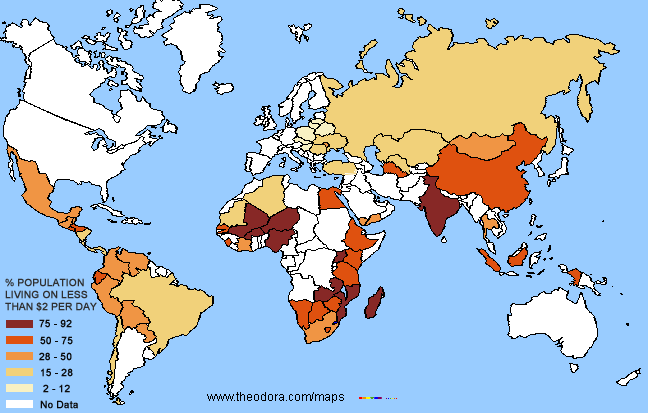
Map Of Poverty / Yoksulluk Haritası

Map Of Poverty / Yoksulluk Haritası
"Maps courtesy of www.theodora.com/maps used with permission"